Everything on this page about heat and health is general guidance from the National Weather Service (NWS) and the Centers for Disease Control and Prevention (CDC), quoted and linked below. It isn't medical advice. If someone shows the signs of heat stroke, call 911.
Why shade comes first
The heat index is, in the NWS's words, “a measure of how hot it really feels when relative humidity is factored in with the actual air temperature.” The NWS also notes that heat index values were devised for shady, light-wind conditions, and that exposure to full sunshine can increase them by up to 15°F. So the number on your weather app assumes you're in the shade. On an open soccer field or in the top row of the bleachers at 2 p.m., you aren't.
That's why shade is the first step, not the last. The CDC's own heat advice starts in the same place: stay in the shade as much as possible. At a lot of youth fields that means bringing it, because the only shade is a dugout roof or a tree that isn't where your kid is playing.
Ten ways to stay cool
- Check the heat index, not just the temperature. Humidity is what makes a 90-degree day feel worse than the forecast high.
- Bring shade and follow it. A clamp-on umbrella, a canopy chair or a pop-up canopy. The sun moves; move your chair with it.
- Drink before you're thirsty. The CDC tells athletes to drink more water than usual and not wait until they're thirsty, and tells everyone to carry a water bottle and refill it through the day. The NWS says the same, adding non-alcoholic and decaffeinated fluids.
- Go easy on sugar, caffeine and alcohol. The CDC suggests limiting drinks high in sugar and sodium, caffeine and alcohol in the heat. That includes the tailgate cooler.
- Dress for the heat. The NWS recommends lightweight, loose-fitting, light-colored clothing to reflect heat and sunlight.
- Don't get burned. The NWS points out that sunburn reduces your body's ability to shed heat. The CDC recommends a broad-spectrum sunscreen with SPF 15 or higher, reapplied after two hours in the sun and after sweating, plus a hat with a brim all the way around and sunglasses that block UVA and UVB.
- Get off the hot metal. Aluminum bleachers in full sun are a hot seat. Your own chair with a mesh back, or a stadium seat between you and the plank, puts fabric where the metal was.
- Use water on the outside, too. Cool, wet cloths are part of the NWS's first aid for heat exhaustion; a damp towel on the back of the neck between innings uses the same idea before anyone is ill.
- Take an air-conditioned break. The NWS suggests time in air-conditioned places during extreme heat. Between games, a cooled-down car with you in it counts. An empty parked car never does (more on that below).
- Eat light and watch each other. The NWS suggests light, cool, easy-to-digest foods such as fruit or salads. The CDC asks athletes to monitor a teammate's condition and have someone do the same for them; parents can do that for the whole bench.
The warning signs
The NWS lists three heat illnesses, from mild to life-threatening. The CDC adds that muscle cramping may be an early sign of heat-related illness, and tells athletes: if you feel faint or weak, stop all activity and get to a cool place.
| Illness | Signs (NWS) | What to do (NWS) |
|---|---|---|
| Heat cramps | Painful muscle cramps and spasms, usually in the legs and abdomen; heavy sweating | Firm pressure on the cramping muscle or gentle massage; sips of water unless the person feels nauseated |
| Heat exhaustion | Heavy sweating; weakness or tiredness; cool, pale, clammy skin; fast, weak pulse; muscle cramps; dizziness, nausea or vomiting; headache; fainting | Move to a cooler place, ideally air-conditioned; loosen clothing; cool, wet cloths or a cool bath; sips of water |
| Heat stroke | Throbbing headache; confusion; slurred speech; nausea; dizziness; body temperature above 103°F; hot, red, dry or damp skin; rapid, strong pulse; fainting; loss of consciousness | Call 911 or get to a hospital immediately; it's a severe medical emergency. Move the person somewhere cooler and lower their temperature with cool cloths or a bath |
Who needs extra care
The CDC names the groups at higher risk from heat: infants and young children, people 65 and older, people with heart disease, people (especially children) with asthma, pregnant women, and people working or exercising outdoors. On a sideline, that list describes the players, their younger siblings and their grandparents all at once. The CDC advises dressing children in loose, lightweight, light-colored clothing and making sure they drink plenty of fluids, while staying away from very cold or very sugary drinks.
What to look for in shade gear
Shade products fail in the sun they're built for, so read the spec sheet with that in mind:
- A UPF rating. UPF 50+ is what the canopy chairs and clamp-on umbrellas we score publish.
- Adjustability. A canopy or umbrella that tilts and swivels follows the sun as it moves; a fixed canopy shades you well only at one time of day.
- For a clamp-on umbrella, the clamp opening. Measure the chair frame or bleacher rail first. A clamp that opens to 1.5 inches won't fit tubing thicker than that.
- For a chair, a mesh back and a published rating. Mesh lets air through; a rating above your weight and a warranty in writing keep the chair around for more than one summer.
- The warranty's sun clause. GCI says sun damage and extended exposure to the elements void its chair warranty; Kijaro and ALPS exclude UV damage. Use the chair in the sun, then store it out of it.
Our picks
Our picks for this
Shade you can carry, and a chair to hang it on
Two ways to bring your own shade, and a mesh-backed chair to pair with a clamp-on umbrella. Each card shows the warranty and the weak spot.
- Stock photo
Best way to add shade to a chair you own
Sport-Brella Versa-Brella Clamp-On Umbrella
1-yr warranty4.6/10Clamps to round or square tubing up to 1.5 inches (chairs, bleachers, strollers, per its dealer), swivels 360 degrees and has a UPF 50+ lining; 1.8 lb, 1-year warranty.
Check price on Amazon#ad · Price set by Amazon · Disclosure for the link to Sport-Brella Versa-Brella Clamp-On Umbrella
- Stock photo
Best canopy chair that reclines
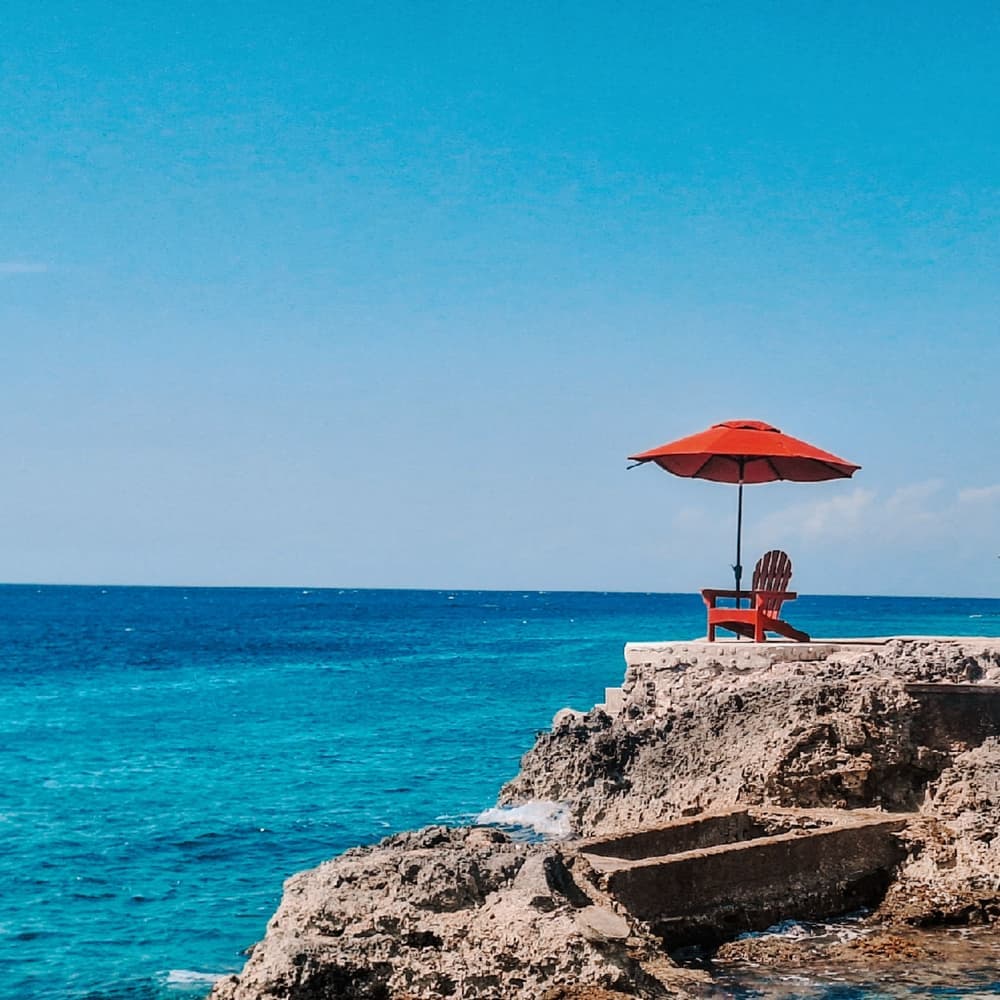
Sport-Brella 3-Position Recliner Chair with Umbrella
1-yr warranty3.7/10Shade built in: a UPF 50+ umbrella that swivels and mounts on either side, three recline positions and a footrest; 250 lb rating, 1-year warranty, weight not published.
Check price on Amazon#ad · Price set by Amazon · Disclosure for the link to Sport-Brella 3-Position Recliner Chair with Umbrella
- Stock photo
Best sideline chair for quick setup and pack-up
Kijaro Dual Lock Chair
1-yr warranty5.2/10A breathable mesh back, a 20-inch seat and a 300 lb Kijaro rating; pair it with a clamp-on umbrella after checking the tubing fits. 1-year warranty that excludes UV damage.
Check price on Amazon#ad · Price set by Amazon · Disclosure for the link to Kijaro Dual Lock Chair
Canopy chair or clamp-on umbrella?
On durability evidence, the canopy chairs in our registry score low. The best-known, the Kelsyus Original, has no maker spec sheet or published warranty at all, and scores 3.1. The Sport-Brella Recliner publishes a 250 lb maximum and a 1-year warranty but no weight, and scores 3.7. Both are fine for shade; neither is a chair we'd call built to last.
That's the argument for splitting the job. Buy the most durable chair that suits you, then add shade with a clamp-on umbrella like the Versa-Brella (4.6, held back by a 1-year term and no load rating to score). When the umbrella wears out, you replace a 1.8 lb accessory, not the chair. Our best canopy chairs ranks every canopy chair we could document, and our best sideline chairs for sports parents ranks the chairs worth clamping one to.
For the full packing list for a tournament weekend, see travel baseball must-haves for parents; for an open soccer field, soccer mom must-haves. If you'd rather sit up off the bleacher plank, our bleacher seat picks cover that, and the rest of the category is in the sideline and tailgate chair hub.
How we scored this
Products we claim to have tested: 0
Plenty of sites say they sat in every chair on the list for a season. We don't say that, and we say so on every page. What we do instead: read the maker's rated capacity, frame, fabric, dimensions and weight; quote the warranty from the maker's own warranty page with the date we read it; check whether seat fabric, cot canvas, feet, valves and legs are sold as replacement parts; and score all of it on a published rubric where durability and warranty carry half the weight. Every spec links to where it came from.
Scores are computed from that documented research with fixed bands, not lab results. Commissions never set a score or decide a pick. The rubric and its bands are published.
Questions
Frequently asked
How do you stay cool at a baseball game?
Get shade, drink water before you're thirsty, wear loose, light-colored clothing and a brimmed hat, use SPF 15+ sunscreen, get off hot metal bleachers and take an air-conditioned break between games. Move somewhere cool at the first sign of heat exhaustion.
How much hotter is it in the sun than the heat index says?
The National Weather Service says heat index values were devised for shady, light-wind conditions, and full sunshine can increase them by up to 15°F.
What are the signs of heat exhaustion?
Per the NWS: heavy sweating, weakness or tiredness, cool, pale, clammy skin, a fast, weak pulse, muscle cramps, dizziness, nausea or vomiting, headache and fainting. Move to a cooler place, loosen clothing, apply cool, wet cloths and sip water.
When is heat illness an emergency?
Heat stroke is. The NWS lists confusion, slurred speech, a body temperature above 103°F, hot, red, dry or damp skin and loss of consciousness among its signs, and says to call 911 immediately.
Is a canopy chair or a clamp-on umbrella better for shade?
A canopy chair builds shade in; a clamp-on umbrella adds it to a chair you already trust. The canopy chairs we could document carry short or unpublished warranties, so a durable chair plus a clamp-on umbrella is our preferred setup.
What should kids wear to stay cool at games?
The CDC recommends loose, lightweight, light-colored clothing for infants and children, plenty of fluids, and avoiding very cold or very sugary drinks.
Keep reading
Related on Seat & Stake
Receipts
Sources
- National Weather Service — What is the heat index? (full sun can raise it by up to 15°F) (read 2026-09-22)
- National Weather Service — Heat-related illnesses: signs and first aid for heat cramps, heat exhaustion, heat stroke (read 2026-09-22)
- National Weather Service — Heat safety: during a heat wave (read 2026-09-22)
- CDC — About Heat and Your Health: symptoms, higher-risk groups, shade and water (read 2026-09-22)
- CDC — Heat and Athletes: tips for athletes, coaches and parents (read 2026-09-22)
- CDC — Heat and Infants and Children (read 2026-09-22)
- CDC — Sun Safety: shade, clothing, hats, sunglasses, SPF 15+ broad-spectrum sunscreen (read 2026-09-22)
- Forza Sports (dealer) — Sport-Brella Versa-Brella listing (read 2026-09-22)
- Sport-Brella / SKLZ — Versa-Brella instruction manual, page 2 (1-year limited warranty), hosted by ManualsLib (read 2026-09-22)
- Sport-Brella — Recliner Chair instruction manual (V3), hosted by Anthem Sports (read 2026-09-22)
- Ace Hardware (dealer) — Sport-Brella 3-Position Recliner Folding Chair, Mfr# 3251, spec table (read 2026-09-22)
- Kijaro — Dual Lock Chair product page and specs (read 2026-09-22)
- Kijaro — Warranty / Returns page (read 2026-09-22)
- Walmart.com — Kelsyus Original Foldable Canopy Chair listing, sold by ToyBurg (read 2026-09-22)
- GCI Outdoor — Consumer Warranty Information (3-year limited warranty, exclusions) (read 2026-09-22)
- ALPS Mountaineering — Warranty (limited lifetime; exclusions; replacement parts by phone) (read 2026-09-22)
We don't claim to have tested, owned or sat in these products. Products we claim to have tested: 0. Specs and rated capacities come from the maker's own product pages (or a named dealer's copy when the maker's site blocked us), warranty terms from the maker's warranty page with the date we read it, and any third-party observation is attributed to whoever made it. Amazon prices change often, so we don't print them. Where a figure isn't published, we say so and it scores zero. Read the full method.